Certificates of authenticity and their role in fighting fraud
Why a properly issued certificate of authenticity protects buyers and sellers, and how to check that the certificate is not itself a forgery.
Contents
In a market where fraud and forgeries are a constant concern, certificates of authenticity (COAs) have become a key tool. Properly issued, they help guarantee the legitimacy of valuable items and protect both buyer and seller.
1. A guarantee of authenticity backed by an expert
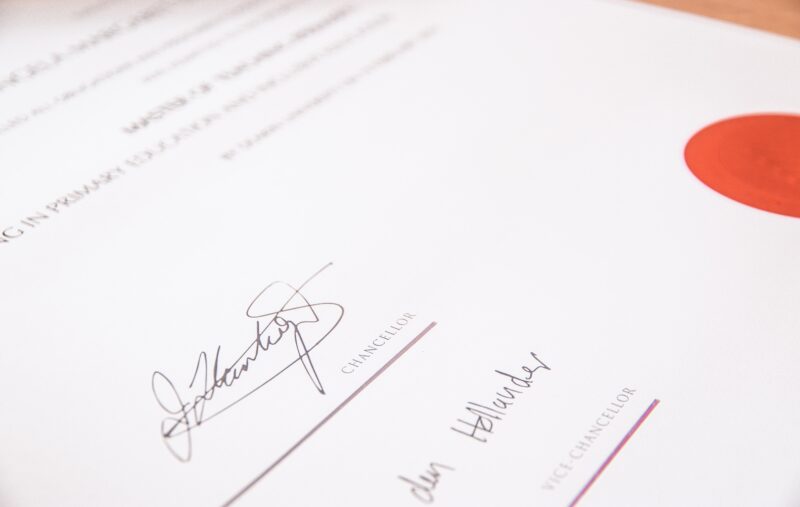
A serious certificate is issued by an expert who examines the item and verifies its authenticity. With it, the buyer knows who stands behind the item and what examination it is based on, which reduces the risk of acquiring a forgery or a tampered object.
The key word is expert: a certificate is only worth as much as the qualifications and independence of the person who signs it. That is why you should be wary of certificates that do not identify their author or explain what was examined.
2. A barrier against fraud
When the market gets used to asking for a certificate of authenticity, it puts up a barrier against those who try to deceive unwary buyers. Honest sellers are willing to back their items with a certificate; forgers, by contrast, are reluctant to submit them to an independent examination.
That barrier only works if the certificate cannot itself be forged. Hence the importance of security features and of being able to check the certificate, as with the VS verification register.
3. Support for the value of items
Certificates back up the authenticity of an item and document its provenance, which protects its market value. Collectors and investors use them to support their items, and at auctions and sales their presence can make the difference between a firm offer and a hesitant one.
Preventing forgeries
They confirm the authenticity of the item before purchase.
Protecting value
Forgeries drag the market down; the certificate protects genuine items.
Market confidence
They set standards for authenticity and verification.
How to protect yourself when buying
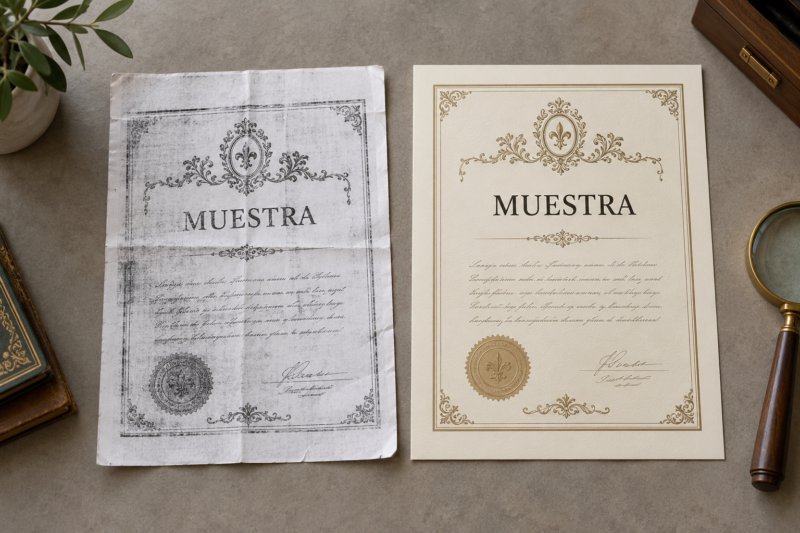
- Ask for the certificate before you pay, not afterwards.
- Check who signs it and with what qualifications.
- Make sure it describes and photographs that specific item.
- Check that it can be verified with its issuer.
- If in doubt, ask for an independent second opinion.
Conclusion
Certificates of authenticity are an essential defence against fraud and forgery: they provide a guarantee of authenticity, protect buyers and support the value of items. Asking for a certificate when buying and providing one when selling creates a chain of trust that strengthens the integrity of the market.
Frequently asked questions
Can a certificate of authenticity be forged?
Yes, and it happens. That is why security features matter and, above all, that the certificate can be checked with its issuer, as with the VS verifier.
What should I do if I suspect an item is fake?
Don't buy until you have an independent opinion. Send me photos and I'll give you a preliminary assessment for €25, which is deducted if you then certify the item.
Would you like to certify a signature?
Send me a few photos and I'll tell you what certification costs. The preliminary assessment (€25) is deducted from the price of the certificate. Physical + digital or digital-only certificate, with a verifiable number.
Juan García Nicolás · Graphologist and forensic handwriting examiner
Trained at Ipsigrap, he personally signs every VS Certificate. Service in English and Spanish. More about me