What is the purpose of certificates of authenticity (COAs)?
What a certificate of authenticity is for, why it is essential for collectable items, and which security features protect it.
Contents
Certificates of authenticity are key documents for building and maintaining trust between buyers and sellers of valuable items. They are particularly important for collectables: works of art, antiques, autographs, historical documents, wines and other items that are liable to be forged.
What are certificates of authenticity?
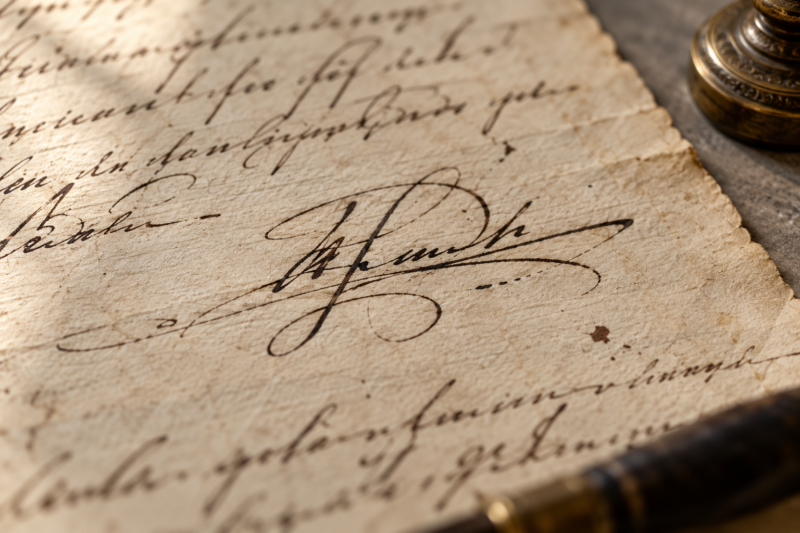
A certificate of authenticity (COA) is a document that confirms the authenticity of a product, a work of art or another item. It is usually issued by the manufacturer, the artist or another authorised body, and includes details such as the product name, date of manufacture and serial number. For unique collectables, such as historical signatures, it should be issued by an expert who authenticates them.
Why are they essential?
Expensive, rare or collectable items that can be replicated or forged (original works of art, rare coins, autographs, luxury goods) usually need a COA. The certificate confirms their authenticity and value, reassures buyers and sellers, helps establish value for insurance or resale, and provides information about their provenance and history.
The four functions of a COA
Inform
It describes the item and gives the buyer confidence.
Protect
It protects the buyer against forgeries and imitations.
Document
It supports ownership and provenance of the item.
Value
It supports valuation for insurance, estates and resale.
As well as verifying authenticity, a COA can be a sales tool: a well-documented item sells more easily. It also serves as proof of ownership, reveals details about the item's history and helps determine its value in the event of loss or damage, or when you decide to sell it.
Security features
The security features of a COA vary with the item and the certificate. Common elements include watermarks, holograms, serial numbers and specialised printing techniques. All of them make the certificate harder to duplicate and protect buyers and sellers. I explain this in detail in how to recognise a reliable certificate.
In summary
COAs are essential tools for preserving the authenticity of valuable items and helping buyers make informed decisions. They benefit collectors, buyers and sellers alike: they protect the integrity of objects and provide key information about their value and authenticity.
Frequently asked questions
Who issues a COA?
The manufacturer, the artist or an authorised body. For historical signatures, an independent expert such as a forensic handwriting examiner.
Is a COA useful for insurance?
Yes: it helps establish the authenticity and value of the item in the event of loss or damage.
Would you like to certify a signature?
Send me a few photos and I'll tell you what certification costs. The preliminary assessment (€25) is deducted from the price of the certificate. Physical + digital or digital-only certificate, with a verifiable number.
Juan García Nicolás · Graphologist and forensic handwriting examiner
Trained at Ipsigrap, he personally signs every VS Certificate. Service in English and Spanish. More about me